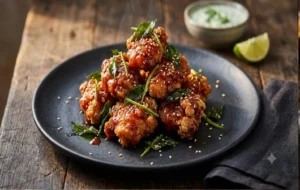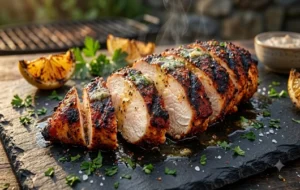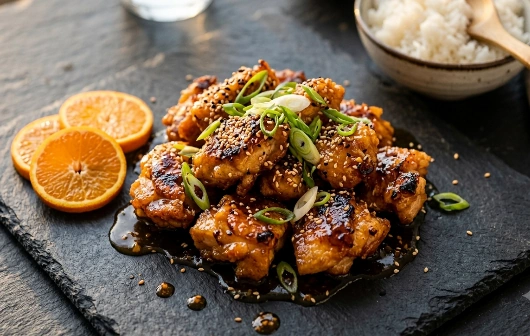
If you’ve ever stared at a jar of orange marmalade and thought, « I wonder what I could do with this, » — you’re about to have your best cooking day in a long time. This orange chicken recipe with marmalade is everything you want: sticky, glossy, sweet-tangy sauce clinging to crispy golden chicken. And honestly? It’s way easier than you’d expect.
I still remember the first time I made this dish. I had half a jar of Seville marmalade sitting in the fridge, some chicken thighs I needed to use up, and a serious craving for Chinese takeout. Thirty minutes later, I was standing over the pan, scooping up extra sauce with a spoon like I wasn’t even embarrassed about it. That recipe has been on regular rotation ever since.
Whether you want a quick weeknight dinner or something impressive for guests, this orange marmalade chicken recipe has you covered. We’ll go through the science, the sauce-building tricks, three cooking methods, flavor variations, and everything you need to nail it on the first try.
Let’s get into it.
WHY ORANGE MARMALADE IS THE SECRET WEAPON IN ORANGE CHICKEN
The science behind marmalade vs. fresh orange juice: sugar, pectin & caramelization
Here’s something most recipes don’t tell you. Fresh orange juice is mostly water. It’s bright and citrusy, sure — but it doesn’t cling, it doesn’t caramelize well, and it tends to make sauces watery unless you reduce it for a long time.
Marmalade, on the other hand, is already concentrated. It contains pectin (the natural thickener from the orange peel), sugar, and all that lovely citrus oil locked into a spreadable gel. When it hits a hot pan, it starts to caramelize almost immediately. The sugars develop depth. The pectin helps the sauce coat the chicken evenly. You get a glossy, sticky glaze in a fraction of the time.
That’s the short version of why an orange chicken recipe with marmalade outperforms the « fresh juice » method for most home cooks.
Choosing the right marmalade: bitter Seville vs. sweet navel vs. sugar-free
Not all marmalades are created equal, and your choice matters here.
- Seville orange marmalade: This is the classic British-style jam with a bitter, complex edge. It creates a more sophisticated, grown-up sauce. Highly recommended if you can find it.
- Sweet navel marmalade: Milder and more accessible. Great for beginners or if you’re cooking for kids. Less bitterness, more pure orange sweetness.
- Sugar-free marmalade: Works well in this recipe if you’re watching sugar intake. The sauce will be slightly less glossy, but the flavor is still excellent.
- Three-fruit marmalade (orange, lemon, grapefruit): Adds extra citrus complexity. A really underrated choice.
As a general rule, pick a marmalade you’d enjoy on toast. If it tastes good on its own, it will taste amazing in this sauce.
How marmalade replaces 4 separate pantry ingredients at once
This is one of the best things about using marmalade in your orange chicken. One jar essentially replaces:
- Orange juice (liquid citrus base)
- Orange zest (concentrated citrus oils)
- Sugar or honey (sweetener)
- Pectin or cornstarch (thickener)
That’s four ingredients you don’t have to measure, combine, or balance separately. The marmalade does the heavy lifting. So instead of spending time squeezing oranges and adjusting sweetness, you get straight to cooking.
Also read:
- Cherry Tomatoes and Chicken Recipe
- Lemon Garlic Chicken Recipe Crockpot
- Martha Stewart Roasted Chicken Recipe
- The Ultimate Crepe with Chicken Recipe
THE PERFECT ORANGE CHICKEN SAUCE: BUILDING LAYERS OF FLAVOR
The base: marmalade + soy sauce + rice vinegar ratio explained
Every great sauce starts with a solid foundation. For this orange marmalade chicken sauce, the base ratio is simple and easy to remember:
- 4 tablespoons orange marmalade
- 2 tablespoons soy sauce (low-sodium preferred)
- 1 tablespoon rice vinegar
This gives you a perfect balance of sweet (marmalade), savory (soy), and tangy (vinegar). The ratio is 4:2:1, and it scales up or down very naturally. Double everything for a bigger batch. Halve it for two servings.
The rice vinegar is important — it lifts the whole sauce and keeps it from being overly sweet or one-dimensional. Don’t skip it.
The upgrade: adding fresh ginger, garlic, sesame oil & a touch of sriracha
Once you have your base, here’s where the magic happens. Adding just a few more ingredients transforms this from a good sauce into a truly great one.
- 1 teaspoon fresh ginger, grated (or ½ teaspoon ground ginger)
- 2 garlic cloves, minced
- 1 teaspoon sesame oil (added off the heat)
- ½ to 1 teaspoon sriracha or chili flakes (optional, but really recommended)
The ginger adds warmth and a subtle zing. The garlic adds savory depth. Sesame oil, added at the very end, gives it that unmistakable « restaurant » aroma. And a touch of heat balances the sweetness beautifully.
Together, these six ingredients — marmalade, soy, vinegar, ginger, garlic, sriracha — create a sauce that’s layered and complex without being complicated.
Balancing sweet, tangy, savory and spicy — the chef’s approach
Great sauces hit four notes: sweet, sour, salty, and a little heat. Your marmalade handles sweet. Rice vinegar handles sour. Soy sauce handles salty. Sriracha handles heat.
If your sauce ever tastes flat, here’s how to fix it quickly:
- Too sweet? Add more vinegar or a squeeze of fresh lime.
- Too sharp or sour? Add a tiny bit more marmalade.
- Too salty? Dilute with a splash of water or unsalted chicken broth.
- Not exciting enough? More ginger or a pinch of white pepper.
Tasting and adjusting is the most important step. Don’t skip it.
Make-ahead sauce: how to store and freeze it
One of the best things about this orange marmalade sauce is how well it keeps. You can make a big batch on Sunday and use it throughout the week.
- Refrigerator: Store in a sealed jar or container for up to 10 days.
- Freezer: Pour into ice cube trays, freeze, then pop the cubes into a bag. They last up to 3 months. Thaw one or two cubes per serving as needed.
The sauce does thicken slightly in the fridge. Just warm it gently with a splash of water to loosen it up before using.
CRISPY CHICKEN TECHNIQUES: WHICH METHOD REALLY WORKS?
Pan-frying with cornstarch: the golden ratio for maximum crunch
Pan-frying is the classic method, and it produces that iconic crispy exterior that soaks up the sauce without going soggy. The key is cornstarch.
The golden ratio for coating the chicken is:
- 3 tablespoons cornstarch per pound of chicken
Toss your chicken pieces in the cornstarch, shake off the excess, and let them rest on a wire rack for five minutes before frying. This allows the coating to bind properly to the surface. Then fry in about 1 inch of neutral oil (vegetable, avocado, or canola) at 375°F (190°C) for 3 to 4 minutes per side. Don’t crowd the pan or the temperature drops and you get steaming instead of frying.
Work in batches. It’s worth the extra ten minutes.
Oven-baked version: sheet pan method with caramelized shallots
If you’d rather skip the frying, the oven method is genuinely excellent — and slightly inspired by Julia Child’s technique of roasting at high heat to develop real color and flavor.
Here’s the approach:
- Preheat your oven to 425°F (220°C).
- Coat the chicken in cornstarch, then toss lightly with a tablespoon of oil.
- Arrange on a wire rack set over a baking sheet. This allows hot air to circulate underneath and crisp the bottom side.
- Scatter sliced shallots around the chicken (they’ll caramelize beautifully and add another layer of flavor).
- Bake for 25 to 30 minutes, flipping once halfway through.
- In the last 5 minutes, brush the sauce over the chicken and return to the oven to caramelize.
The result? Beautifully glazed, oven-roasted orange chicken with zero splatter and minimal cleanup.
Air-fryer orange chicken: lighter, faster, just as crispy
The air fryer version is genuinely impressive. It produces a crispy texture that rivals pan-frying with almost no oil.
- Preheat the air fryer to 400°F (200°C).
- Coat the chicken with cornstarch and a very light spray of oil.
- Cook for 10 to 12 minutes, shaking the basket halfway through.
- Toss the cooked chicken with the warm sauce right before serving.
The air fryer caramelizes the exterior very quickly. Because of this, add the sauce after cooking rather than during — otherwise it can burn on the bottom of the basket. Tossing at the end gives you the same glossy result without any burnt sugar smell.
Why NOT to use panko (and what to use instead)
Panko breadcrumbs sound appealing, but they’re the wrong call here. Here’s why: panko absorbs sauce quickly and turns soggy within minutes of being coated. That means your crispy coating goes limp before you even get to the table.
Cornstarch, by contrast, creates a thin, glass-like crust that stays crispy much longer — even after tossing in sauce. It also develops a better golden color when fried.
If you want a slightly thicker crust, a 2:1 blend of cornstarch to all-purpose flour works beautifully. But pure cornstarch is the benchmark for this style of dish.
ORANGE MARMALADE CHICKEN RECIPE: STEP-BY-STEP (THE DEFINITIVE VERSION)
Ingredients & smart substitutions (thighs vs. breast, cornstarch vs. flour)
Serves 4
For the chicken:
- 1.5 lbs (680g) boneless chicken thighs or breasts, cut into 1-inch pieces
- 3 tablespoons cornstarch (or 2 tbsp cornstarch + 1 tbsp flour)
- Salt and black pepper to taste
- Neutral oil for frying (or cooking spray for air fryer/oven)
For the sauce:
- 4 tablespoons orange marmalade (Seville-style preferred)
- 2 tablespoons low-sodium soy sauce
- 1 tablespoon rice vinegar
- 2 garlic cloves, minced
- 1 teaspoon fresh ginger, grated
- ½ teaspoon sriracha (optional)
- 1 teaspoon sesame oil (added at the end)
- 1 tablespoon water (to thin if needed)
- 1 teaspoon cornstarch (to thicken if needed)
For serving:
- Sesame seeds
- Sliced green onions
- Jasmine rice, noodles, or steamed broccoli
Smart substitutions:
- Chicken thighs are juicier and more forgiving than breasts. Use thighs whenever possible.
- Tamari works in place of soy sauce for a gluten-free version.
- Apple cider vinegar can substitute for rice vinegar (use slightly less — it’s sharper).
- Honey can replace marmalade in a pinch, but you’ll lose the citrus complexity.
Step-by-step instructions with timing tips
Step 1 — Make the sauce (5 minutes)
Whisk together the marmalade, soy sauce, rice vinegar, garlic, ginger, and sriracha in a small bowl. Set it aside. Don’t add the sesame oil yet.
Step 2 — Coat the chicken (5 minutes)
Pat the chicken pieces completely dry with paper towels. Moisture is the enemy of crispiness. Season lightly with salt and pepper. Toss in cornstarch until evenly coated. Shake off any excess and let it rest on a rack for 5 minutes.
Step 3 — Cook the chicken (10–12 minutes)
Pan-fry method: Heat about 1 inch of oil in a heavy skillet over medium-high heat until shimmering (around 375°F). Fry chicken in batches, 3 to 4 minutes per side, until deep golden brown. Transfer to a paper towel-lined plate.
Oven method: Follow the sheet pan instructions above (425°F, 25–30 min).
Air-fryer method: 400°F for 10–12 minutes, shaking halfway.
Step 4 — Build the glaze (3–4 minutes)
Pour out most of the oil from the pan, leaving about 1 teaspoon. Over medium heat, pour in the sauce mixture. Let it bubble and reduce for 2 to 3 minutes until slightly thickened. If it gets too thick, add a splash of water.
Step 5 — Combine and finish (1 minute)
Add the cooked chicken back to the pan. Toss everything together until each piece is fully coated and glossy. Remove from heat. Drizzle in the sesame oil and toss once more.
Step 6 — Serve immediately
Garnish with sesame seeds and green onions. Serve over jasmine rice, noodles, or alongside steamed vegetables.
Total time: approximately 25 to 35 minutes, depending on cooking method.
How to tell when the sauce has reached the perfect glaze consistency
This is one of those things recipe writers often gloss over, but it’s genuinely important. Here’s the easy test:
Dip a spoon into the sauce and hold it horizontally. Run your finger across the back of the spoon. If the line stays clean and the sauce doesn’t run back through it — it’s ready. This is called « nappe consistency, » and it’s exactly what you want for a coating glaze.
If the sauce is still too thin, stir in a small slurry of 1 teaspoon cornstarch mixed with 1 tablespoon cold water. Add it gradually and stir over medium heat for about a minute.
Serving ideas: jasmine rice, cauliflower rice, noodles, steamed broccoli
This orange chicken recipe with marmalade is versatile. Here are some favorite pairings:
- Jasmine rice: The classic. The slightly floral aroma pairs perfectly with the citrus sauce.
- Cauliflower rice: Great for a lower-carb option. Sauté in a little sesame oil first for best flavor.
- Rice noodles or lo mein: Excellent for soaking up extra sauce from the pan.
- Steamed broccoli: The bitterness of broccoli balances the sweet-tangy sauce beautifully.
- Simple cucumber salad: A cool, refreshing contrast to the sticky glaze.
Don’t forget to spoon extra sauce over whatever you’re serving. That sauce is too good to leave in the pan.
FLAVOR VARIATIONS TO MAKE IT YOUR OWN
Spicy version: chili garlic paste + orange marmalade
Double the sriracha, or replace it with 1 to 2 teaspoons of chili garlic paste (the Huy Fong brand is excellent). Add a teaspoon of gochujang for a deeper, fermented heat. This version pairs incredibly well with plain jasmine rice and sliced cucumber to cool things down.
BBQ fusion twist: marmalade + Sweet Baby Ray’s (the 3-ingredient hack)
This is one of the easiest variations and wildly delicious. Mix equal parts orange marmalade and your favorite BBQ sauce (Sweet Baby Ray’s Honey BBQ is particularly good here), then add a tablespoon of soy sauce. That’s it. Toss with crispy fried chicken and you have a sweet, smoky, citrusy glaze that tastes like summer cookout meets Chinese takeout. It’s a crowd-pleaser every single time.
Elevated version: marmalade + Dijon mustard + rosemary (French-style glaze)
For something more refined and dinner-party-worthy, try this combination: 3 tablespoons marmalade, 1 tablespoon Dijon mustard, 1 teaspoon fresh rosemary (finely chopped), and a splash of white wine. This is best with oven-roasted chicken thighs rather than the fried version — the glaze caramelizes into something absolutely stunning in the last five minutes of roasting.
Protein swaps: shrimp, salmon, pork tenderloin or tofu
The sauce works beautifully with other proteins:
- Shrimp: Sauté for 2 minutes per side, then toss in the sauce off the heat. Quick and impressive.
- Salmon: Brush with the glaze and bake at 400°F for 12 to 15 minutes. Outstanding.
- Pork tenderloin: Marinate in the sauce for 30 minutes, then roast at 425°F until internal temp reaches 145°F.
- Extra-firm tofu: Press, cube, coat in cornstarch, and pan-fry until golden. Then toss in the sauce exactly as you would for chicken. A perfect vegetarian version.
PRO TIPS, STORAGE & MEAL PREP
How to keep leftover orange chicken crispy when reheating
Leftover orange chicken can absolutely taste great the next day — but only if you reheat it correctly. The microwave is not your friend here. It makes the coating soft and the chicken chewy.
Instead, use one of these methods:
- Oven: Spread on a baking sheet and heat at 375°F for 8 to 10 minutes. The crust revives well.
- Air fryer: 350°F for 4 to 5 minutes. This is genuinely the best reheating method for maintaining crispiness.
- Skillet: A dry pan over medium heat for 3 to 4 minutes, tossing occasionally.
Pro tip: Store the sauce separately if possible. Toss the chicken in fresh warmed sauce after reheating for the best results.
Freezing instructions (sauce only vs. full dish)
Sauce only: The orange marmalade sauce freezes extremely well. Pour cooled sauce into ice cube trays, freeze solid, then transfer to a freezer bag. Lasts up to 3 months. Thaw in the fridge overnight or warm gently in a small saucepan.
Full dish: You can freeze the cooked chicken and sauce together, though the coating will soften significantly on thawing. It’s still tasty — it just won’t be crispy. For best results, reheat from frozen in the oven at 375°F for 15 to 20 minutes, uncovered.
How to scale the recipe for a crowd
This recipe doubles and triples very easily.
For 8 servings: Use 3 lbs of chicken, 8 tablespoons marmalade, 4 tablespoons soy sauce, and 2 tablespoons rice vinegar.
Tips for scaling up:
- Fry the chicken in multiple batches rather than one large batch. Crowding causes steaming, not frying.
- Make the sauce in a large skillet or wok so there’s enough surface area for it to reduce properly.
- Keep finished batches warm in a 250°F oven on a wire rack while you finish cooking the rest.
- Sauce can be made a day ahead. Reheat it in a pan and toss the chicken in just before serving.
For parties and potlucks, consider serving the sauce in a small pot on the side, with crispy chicken on a platter. Guests can dip or drizzle their own — this keeps the chicken crispier for longer.
FREQUENTLY ASKED QUESTIONS
Can I use orange jam instead of marmalade in this orange chicken recipe with marmalade?
You can, but the result will be noticeably different. Orange jam typically contains no peel, which means it lacks the bitter edge and the pectin concentration that makes marmalade such a great cooking ingredient. The sauce will be sweeter and less complex. If orange jam is all you have, add a small strip of orange zest and a tiny squeeze of lemon juice to approximate what marmalade brings. It will still taste good — just milder.
What’s the difference between orange chicken and General Tso’s chicken?
Great question. Both are Chinese-American dishes with a crispy fried chicken base and a sticky glaze. Orange chicken leans citrusy and sweet, with a pronounced orange flavor. General Tso’s is darker, slightly spicier, and more savory — it typically uses dried red chilies and a soy-heavy sauce. This marmalade version sits firmly in the orange chicken camp, with adjustable heat depending on how much sriracha you add.
Can I make this recipe gluten-free?
Absolutely. Swap the soy sauce for tamari (which is naturally gluten-free and has almost identical flavor) and use cornstarch instead of any flour in the coating. Double-check that your marmalade doesn’t contain any unexpected additives. With those two swaps, the entire dish is gluten-free with no compromise on flavor.
How do I make the sauce less sweet?
Start by using a Seville-style bitter marmalade, which has a natural complexity that counters sweetness. From there, increase the rice vinegar by half a teaspoon at a time, tasting as you go. A pinch of white pepper also helps balance the sweetness without making the sauce spicy. Reducing the marmalade by even one tablespoon makes a noticeable difference.
Can I prepare the chicken ahead of time?
You can prep and coat the chicken up to 4 hours ahead — keep it on a rack in the fridge, uncovered. The cornstarch coating will actually dry out slightly in the fridge, which produces an even crispier crust when fried. The sauce can be made days ahead. Just cook the chicken fresh when you’re ready to serve for the best texture.
Is this kid-friendly?
Very much so — especially if you leave out the sriracha. Kids tend to love the sweet, tangy glaze and the crispy coating. Use sweet navel marmalade rather than bitter Seville for the most kid-friendly result. Serve over plain rice with a side of steamed broccoli or carrots and you’ve got a weeknight dinner the whole family will actually be excited about.
CONCLUSION
This orange chicken recipe with marmalade is one of those dishes that quietly becomes part of your regular rotation — because it’s fast, flexible, and consistently delicious. Now that you know the technique, the sauce ratios, and all the variations, you have everything you need to make it exactly the way you like it.
Your action plan: Grab a jar of marmalade, pick your cooking method, and make this recipe tonight — dinner will be on the table in 35 minutes.