If you’ve ever wanted to make a real Chinese soup chicken recipe at home, you’re in the right place. This isn’t the soup you grab from a can. It’s warm, clear, and packed with flavor. And honestly? It’s easier than you think.
I grew up watching my neighbor simmer chicken broth for hours, just letting it bubble quietly on the stove. That slow, gentle process is the heart of every great Chinese chicken soup. No shortcuts on flavor, even if you take a shortcut on time.
In this guide, you’ll learn four classic styles of Chinese chicken soup. You’ll get exact steps, smart substitutes, and answers to the questions beginners ask most. By the end, you’ll have a go-to chinese soup chicken recipe you can make again and again. Let’s get cooking.
What Makes Chinese Chicken Soup Different From Western Chicken Soup
At first glance, chicken soup looks like chicken soup. But once you taste a proper Chinese version, the difference is obvious.
Western chicken soup usually leans on celery, carrots, and thick stock. Chinese chicken soup takes a lighter, cleaner approach. The broth is the star, not the supporting cast.
Here’s what sets it apart:
- Clarity matters. A good Chinese broth is clear, not cloudy. Blanching the chicken first removes impurities.
- Ginger and scallion replace onion and celery. These aromatics add warmth without overpowering the broth.
- Herbs play a medicinal role. Many recipes include ingredients like goji berries or dried herbs, believed to support health and balance.
- Seasoning stays simple. Salt, white pepper, and maybe a splash of rice wine. That’s often it.
- Texture is gentler. The chicken stays tender, not shredded into mush.
So when people search for a chinese soup chicken recipe, they’re usually after this lighter, more aromatic style. It feels nourishing in a different way than Western soup does. Think comfort food, but with a clean finish.
The 4 Main Styles of Chinese Chicken Soup (Pick Your Favorite)
Not all Chinese chicken soups are the same. In fact, there are several regional styles, each with its own personality. Let’s break down the four most popular versions so you can pick the one that fits your mood.
Clear Cantonese Herbal Chicken Soup
This is the soup my neighbor used to make. It’s slow-simmered, clear, and gently herbal.
Cantonese soup relies on long cooking times. Think two to three hours on low heat. The result is a broth that tastes deeply savory, almost like it’s been seasoned for hours, even though it’s just chicken, water, and a few simple herbs.
Common additions include:
- Goji berries
- Red dates (jujubes)
- Dried scallops or dried shrimp (optional)
- Ginger slices
This style works best with a whole chicken or bone-in pieces. The bones release collagen slowly, giving the broth body without any cream or flour.
Chinese Chicken Noodle Soup (Jī Tāng Miàn)
This version is hearty and filling. It’s the kind of soup you make when you want a full meal in one bowl.
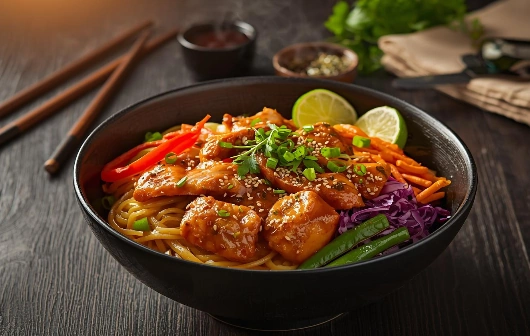
Jī Tāng Miàn combines clear chicken broth with wheat noodles, shredded chicken, and often bok choy or napa cabbage. It’s quick to assemble once your broth is ready.
The key here is balance. You want noodles that aren’t mushy, broth that isn’t too thin, and chicken that’s tender enough to pull apart with chopsticks.
Egg Drop Chicken Corn Soup
If you love takeout-style soup, this one will feel familiar. It’s silky, slightly thick, and a little sweet from the corn.
This soup uses cornstarch to thicken the broth slightly. Then, beaten eggs get drizzled in slowly while stirring. The result? Those classic, delicate egg ribbons floating throughout.
It’s also one of the fastest soups on this list. You can have it ready in under 30 minutes, which makes it perfect for busy weeknights.
Spicy Sichuan Chicken Soup
For anyone who likes a little heat, this style delivers. Sichuan chicken soup brings bold, spicy, slightly numbing flavor thanks to Sichuan peppercorns and chili oil.
Unlike the clear Cantonese style, this soup is bolder and more assertive. It often includes:
- Dried chilies
- Sichuan peppercorns
- Garlic and ginger
- Chili oil or chili crisp
It’s still a chicken soup at its core. But the flavor profile is louder, spicier, and more exciting. If you want comfort food with a kick, this is your pick.
Related articles:
- Authentic Mexican Chicken Recipes: The Only Guide You’ll Ever Need
- Cherry Tomatoes and Chicken Recipe: Easy One-Pan Mediterranean Dinner
- Curry Chicken Recipe Indian Style
Ingredients You’ll Need (With Substitutes for Hard-to-Find Items)
Before we get into the step-by-step recipe, let’s talk ingredients. Don’t worry if your local store doesn’t carry everything. Substitutes work just fine.
Main ingredients:
- 1 whole chicken (or 2 lbs bone-in thighs) — substitute: rotisserie chicken for the shortcut version
- 8 cups water
- 4 slices fresh ginger
- 2 scallions, cut into 3-inch pieces
- 1 tablespoon Shaoxing rice wine — substitute: dry sherry
- Salt, to taste
- White pepper, to taste
Optional herbal additions (Cantonese style):
- 10 goji berries — substitute: a small handful of dried cranberries (different flavor, but similar visual effect)
- 4–6 red dates — substitute: leave them out, the soup still works
- Dried astragalus root (huang qi) — substitute: skip if unavailable, no direct replacement needed
For Egg Drop style:
- 2 large eggs, beaten
- 1 tablespoon cornstarch mixed with 2 tablespoons water
- ½ cup corn kernels (fresh, frozen, or canned)
For Sichuan style:
- 1 tablespoon Sichuan peppercorns — substitute: black peppercorns (less numbing, but still good)
- 2–3 dried chilies
- 1 tablespoon chili oil
As you can see, most of these ingredients are simple. Even the « special » ones have easy stand-ins. So don’t let an unfamiliar ingredient stop you from trying this recipe.
Classic Recipe: Step-by-Step Instructions
Now let’s build the base recipe. This classic method works for any of the four styles above. Once you master this, you can customize the flavor however you like.
Preparing and Blanching the Chicken (The Secret to Clear Broth)
This step is the one most home cooks skip. And it’s exactly why their broth turns out cloudy.
- Place your chicken (whole or pieces) into a large pot.
- Cover completely with cold water.
- Bring to a boil over high heat.
- Let it boil for 3–5 minutes. You’ll see grayish foam rise to the top.
- Drain the chicken and rinse it under cold water.
- Rinse the pot too, removing any residue.
This quick blanching step removes blood and impurities. As a result, your final broth stays clear instead of murky. Don’t skip it, even though it feels like an extra step.
Building the Broth Base
Once your chicken is blanched and rinsed, it’s time to build real flavor.
- Return the chicken to a clean pot.
- Add 8 cups of fresh, cold water.
- Add ginger slices and scallion pieces.
- Pour in the rice wine.
- Bring everything to a boil, then immediately reduce to a low simmer.
From here, the magic happens slowly. Low heat is essential. A hard boil will make the broth cloudy again, undoing all that blanching work.
Skim any foam that rises during the first 20 minutes. After that, you can mostly leave it alone.
Simmering Time by Cut (Whole Chicken vs Thighs vs Breast)
Different cuts need different cooking times. Here’s a simple breakdown:
- Whole chicken: Simmer for 2.5 to 3 hours for deep, rich flavor.
- Bone-in thighs: Simmer for 45 to 60 minutes. Great balance of speed and taste.
- Boneless, skinless breast: Simmer for just 20 to 25 minutes. Watch closely so it doesn’t dry out.
Once the chicken is fully cooked, remove it from the pot. Let it cool slightly, then shred or slice the meat. Strain the broth through a fine mesh strainer if you want it extra clear.
Season with salt and white pepper to taste. And there you have it: a proper homemade Chinese soup chicken recipe, built from scratch.
30-Minute Shortcut Version (Using Rotisserie Chicken)
Some days, you just don’t have three hours. That’s okay. This shortcut still delivers great flavor.
- Heat 6 cups of store-bought low-sodium chicken broth in a pot.
- Add 3 slices of fresh ginger and 1 chopped scallion.
- Simmer for 10 minutes to infuse flavor.
- Shred 2 cups of rotisserie chicken meat.
- Add the shredded chicken to the pot and warm through for 5 minutes.
- Season with salt, white pepper, and a small splash of rice wine.
- Optional: stir in beaten egg for an instant egg drop version.
This version won’t taste exactly like the slow-simmered original. But it’s a smart weeknight solution. Plus, it still hits that same comforting, savory note people crave.
Common Mistakes That Make Your Broth Cloudy or Bland — And How to Fix Them
Even experienced cooks run into these issues. Here’s how to troubleshoot the most common problems.
Mistake 1: Skipping the blanch step This is the number one cause of cloudy broth. Always blanch and rinse your chicken first. It only takes five minutes, but it makes a huge difference.
Mistake 2: Boiling instead of simmering A rolling boil agitates the broth and breaks down fat into tiny particles. This creates cloudiness. Keep the heat low and steady instead.
Mistake 3: Not skimming foam Foam contains proteins and impurities. If you let it boil back into the broth, your soup turns murky and slightly bitter.
Mistake 4: Under-seasoning Many people add salt too early or too little. Season near the end, tasting as you go. White pepper also adds depth that plain salt can’t.
Mistake 5: Using only water with no aromatics Ginger and scallion aren’t optional extras. They’re essential for that signature Chinese chicken soup flavor. Without them, your broth will taste flat.
Mistake 6: Overcooking lean cuts If you’re using chicken breast, watch the clock closely. Overcooked breast turns dry and stringy fast.
Fixing these issues isn’t complicated. Most of them just require patience and a little attention. Once you know the fixes, your broth will turn out clear and flavorful every time.
Make-Ahead, Storage & Freezing Guide (With Reheating Ratios)
This soup is great for meal prep. Here’s how to store it properly.
Refrigerator storage:
- Cool the soup completely before storing.
- Store in an airtight container for up to 4 days.
- Keep broth and noodles separate if making the noodle version, since noodles get soggy over time.
Freezer storage:
- Freeze broth (without noodles or egg) for up to 3 months.
- Use freezer-safe containers, leaving an inch of space for expansion.
- Label with the date so you don’t lose track.
Reheating ratios:
- If your broth has thickened or reduced in the freezer, add water at a 1:4 ratio (1 part water to 4 parts broth) when reheating.
- Reheat gently on the stove over medium-low heat.
- Avoid microwaving whole portions with noodles, since they can turn rubbery. Reheat noodles and broth separately instead.
This make-ahead approach means you can always have a comforting bowl ready, even on your busiest days.
What to Serve With Chinese Chicken Soup
This soup is satisfying on its own. But pairing it with the right sides makes the meal even better.
- Steamed rice — simple, classic, and perfect for soaking up extra broth.
- Scallion pancakes — crispy and savory, a great textural contrast.
- Stir-fried greens — bok choy or gai lan add freshness and color.
- Soft-boiled eggs — for extra protein and richness.
- Steamed dumplings — turns the meal into a full Chinese-inspired feast.
If you’re serving the noodle version, you likely don’t need much else. It’s already a complete meal in one bowl.
FAQ
Can I use chicken breast instead of thighs?
Yes, you definitely can. Chicken breast works well, especially in the egg drop or noodle versions. Just remember that it cooks faster than thighs. Simmer it for only 20 to 25 minutes to avoid drying it out. Thighs offer more flavor and stay juicier, but breast is a leaner, quicker option.
Is Chinese chicken soup healthy?
Generally, yes. This soup is low in fat, especially if you skim excess oil from the surface. It’s also high in protein and includes hydrating broth. Many versions include herbs believed to support immunity and digestion. As always, watch your sodium levels if you’re using store-bought broth, since it can be higher in salt than homemade versions.
What herbs go in traditional Chinese chicken soup?
Traditional Cantonese-style soups often include goji berries, red dates, and sometimes dried astragalus root. These ingredients add subtle sweetness and are valued in Chinese cooking for their nourishing qualities. Ginger and scallion are nearly universal across all styles, even when other herbs are left out.
How long does it take to make a chinese soup chicken recipe from scratch?
It depends on the style you choose. A traditional Cantonese version takes 2.5 to 3 hours for the best flavor. However, the shortcut rotisserie version takes just 30 minutes. Both deliver a satisfying, comforting bowl of soup, so pick based on your schedule.
Can I make this soup in a slow cooker or Instant Pot?
Absolutely. For a slow cooker, blanch the chicken first, then add everything and cook on low for 6 to 8 hours. For an Instant Pot, use the soup setting and pressure cook for 25 minutes, followed by a natural release. Both methods produce tender meat and flavorful broth with minimal hands-on effort.
Why does my soup taste bland even after simmering for hours?
This usually comes down to seasoning timing or missing aromatics. Salt added too early can mute other flavors, while salt added too late might not fully dissolve. Taste near the end of cooking, and don’t skip the ginger and scallion. They’re small additions that make a big flavor difference.
Final Thoughts
Making a great chinese soup chicken recipe doesn’t require fancy equipment or rare ingredients. It just takes patience, a few aromatics, and the willingness to skip shortcuts where it counts, like that all-important blanching step. Whether you go slow and traditional or quick with rotisserie chicken, you’ll end up with a bowl that feels warm, clean, and genuinely comforting.
One-sentence action plan: Pick one style from this guide, blanch your chicken first, and simmer your way to a clear, flavorful bowl tonight.