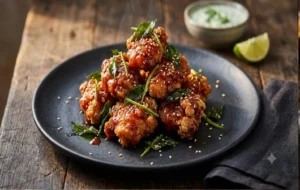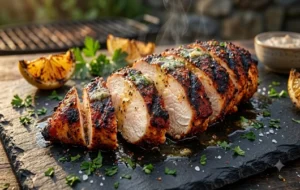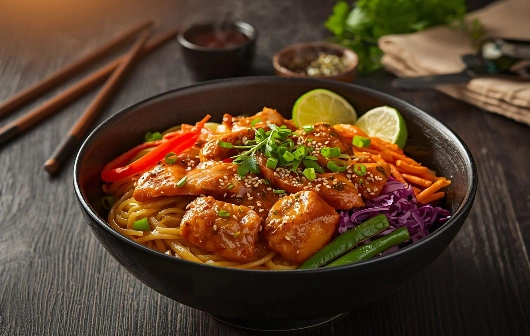
If you’re looking for a rice noodles and chicken recipe that’s quick, satisfying, and packed with flavor — you’ve come to the right place. This dish is one of my absolute go-to weeknight dinners. It comes together in under 30 minutes, uses simple ingredients, and tastes like something you’d order from your favorite Asian restaurant.
Whether you’re new to cooking with rice noodles or you’ve made them a dozen times, this guide has everything you need. I’ll walk you through every step, share my best tips, and even offer a few delicious variations to keep things interesting.
Let’s get cooking.
Why You’ll Love This Rice Noodles and Chicken Recipe
There are so many reasons to love this dish. But let me give you the three biggest ones.
Quick and Easy Weeknight Dinner
First of all, this recipe is genuinely fast. You can have dinner on the table in about 30 minutes — start to finish. There’s no complicated technique involved. You just soak, slice, stir-fry, and toss. It’s that simple.
Even on your busiest evenings, you can pull this off. And once you’ve made it a couple of times, it becomes almost effortless.
Packed with Flavor and Texture
The combination of tender chicken, silky rice noodles, crisp vegetables, and a savory sauce is absolutely irresistible. Every bite gives you something different. The noodles are soft but not mushy. The chicken is juicy and flavorful. The veggies add crunch and freshness.
It’s a full sensory experience in one bowl. And honestly, that’s what makes it so addictive.
Better Than Takeout
Here’s the truth: once you make this chicken rice noodle dish at home, you’ll stop calling for delivery. You control the ingredients. You control the salt, the sweetness, the heat. No mystery oils, no extra MSG, no waiting 45 minutes at the door.
Plus, it’s much more affordable to make at home. And leftovers taste just as good the next day.
Ingredients You’ll Need
Before we dive into the cooking, let’s talk about what goes into this dish. Good ingredients make all the difference.
Chicken Selection Tips
For this recipe, I recommend using boneless, skinless chicken breasts or chicken thighs.
- Chicken breasts are leaner and cook quickly. They’re great if you want a lighter dish.
- Chicken thighs are fattier and more forgiving. They stay juicy even if you cook them a little longer.
- Either option works beautifully here. It comes down to personal preference.
Always slice your chicken thin — about ¼-inch thick. Thin slices cook faster and absorb the marinade better. Cut against the grain for the most tender result.
Choosing the Best Rice Noodles
Not all rice noodles are the same. Here’s a quick breakdown:
- Thin rice vermicelli (1–2mm): Great for lighter dishes and bowls. They soak up sauce quickly.
- Medium flat rice noodles (also called « rice stick » noodles, 3–5mm): This is my personal favorite for stir-fry. They have a wonderful chewy texture.
- Wide flat rice noodles (8–10mm): Best for pad see ew-style dishes. They hold up well in a hot wok.
For this specific rice noodles and chicken recipe, I recommend medium flat rice noodles. They’re easy to find in any Asian grocery store or the international aisle of most supermarkets.
Essential Vegetables and Aromatics
You don’t need fancy vegetables. Here’s what I use:
- 2 cloves garlic, minced
- 1 teaspoon fresh ginger, grated
- 1 medium carrot, julienned
- 1 red bell pepper, thinly sliced
- 2 cups baby bok choy or napa cabbage, roughly chopped
- 3 green onions, sliced
- A small handful of fresh bean sprouts (optional but highly recommended)
Feel free to swap or add vegetables based on what you have. Snap peas, mushrooms, and zucchini all work wonderfully here.
Sauce Ingredients for Maximum Flavor
The sauce is the soul of this dish. Don’t skip any of these:
- 3 tablespoons soy sauce (low-sodium if preferred)
- 1 tablespoon oyster sauce
- 1 tablespoon fish sauce (skip for vegetarian version)
- 1 teaspoon sesame oil
- 1 teaspoon sugar or honey
- 1 tablespoon rice vinegar
- ½ teaspoon white pepper
- Optional: 1 teaspoon chili garlic sauce or sriracha for heat
Mix all the sauce ingredients together in a small bowl before you start cooking. Having the sauce ready makes stir-frying much smoother and more enjoyable.
Recommended reading:
- Cream of Celery Soup and Chicken Recipe: Easy, Creamy, and Comforting Dinner
- Curry Chicken Recipe Indian Style: Authentic Homemade Chicken Curry
- Curry Chicken Recipe for Slow Cooker: Easy, Creamy, and Flavor-Packed
How to Make Rice Noodles and Chicken Recipe
Now for the fun part. Let’s walk through the entire cooking process, step by step.
Preparing the Rice Noodles
This step is crucial. Handle your noodles right, and the rest of the recipe becomes much easier.
- Place the rice noodles in a large bowl.
- Cover them with room-temperature water (not boiling — that’s a common mistake).
- Let them soak for 20–30 minutes until soft and pliable but not fully cooked.
- Drain them well and set aside.
The noodles will finish cooking in the wok. If you over-soak them, they’ll turn mushy when you stir-fry. Room-temperature water gives you much more control.
Marinating the Chicken
I’ll be honest — I learned this one the hard way. The first time I made this dish, I skipped the marinade entirely. The chicken was fine but flat. The second time, I marinated it for just 15 minutes. What a difference. It was juicy, flavorful, and had this incredible depth that made the whole dish come alive.
Here’s the simple marinade:
- 1 tablespoon soy sauce
- 1 teaspoon cornstarch
- 1 teaspoon sesame oil
- ½ teaspoon white pepper
Toss the sliced chicken with the marinade and let it sit for at least 15 minutes (or up to overnight in the fridge). The cornstarch creates a light coating that locks in moisture and gives the chicken a silky texture.
Stir-Frying the Vegetables
Heat a wok or large skillet over high heat. And I mean high heat. This is non-negotiable for good stir-fry.
- Add 2 tablespoons of a neutral oil (vegetable, canola, or avocado oil — not olive oil).
- Once the oil shimmers, add the marinated chicken in a single layer.
- Cook for 2–3 minutes without touching it. Let it sear.
- Flip and cook for another 1–2 minutes until cooked through. Remove and set aside.
- In the same wok, add a little more oil if needed.
- Add garlic and ginger. Stir-fry for 30 seconds until fragrant.
- Add the harder vegetables first (carrots, bell pepper). Cook for 2 minutes.
- Add the softer vegetables (bok choy, cabbage). Cook for 1 minute.
Keep everything moving. The goal is vibrant, slightly crisp vegetables — not soggy ones.
Combining Everything Together
This is the moment everything comes together. It’s genuinely satisfying to watch.
- Add the drained rice noodles to the wok with the vegetables.
- Pour the sauce over everything.
- Toss everything together using tongs or two wooden spoons.
- Add the cooked chicken back in.
- Stir-fry together for 2–3 minutes until the noodles are coated and heated through.
- Add bean sprouts and green onions in the last 30 seconds.
- Taste and adjust seasoning if needed.
Serve immediately, garnished with fresh cilantro, a squeeze of lime, and sesame seeds.
Expert Tips for Perfect Rice Noodles
Let me share a few pro tips that will seriously elevate your chicken noodle dish.
Avoiding Mushy Noodles
Mushy noodles are the most common problem people face. Here’s how to avoid them:
- Always soak in room-temperature water, never boiling water.
- Don’t soak longer than 30 minutes.
- Drain thoroughly before adding to the wok.
- Cook on very high heat and move quickly.
- Don’t overcrowd the wok — cook in batches if needed.
If your noodles clump together after soaking, toss them with a tiny bit of oil to separate the strands.
Getting Tender and Juicy Chicken
Tender chicken in stir-fry comes down to a few key habits:
- Always slice thin, against the grain.
- Never skip the cornstarch in the marinade.
- Don’t stir constantly — let the chicken sear undisturbed for best texture.
- Remove from the wok before it’s fully done. It will finish cooking when you add it back with the noodles.
This technique is called « velveting, » and it’s the secret behind restaurant-quality stir-fried chicken.
Achieving Restaurant-Style Flavor
Want that smoky, wok-charred flavor you get at Chinese restaurants? It’s called « wok hei » — literally « breath of the wok. » You can get close at home by:
- Using the highest heat your stove allows.
- Using a carbon steel wok or a very large cast iron skillet.
- Not overcrowding the pan at any point.
- Adding a tiny splash of Shaoxing rice wine to the wok just before adding the sauce.
These small details make a surprisingly big difference.
Delicious Variations
Once you’ve mastered the base recipe, try one of these tasty twists. Each one takes the dish in a completely different — and equally delicious — direction.
Spicy Thai Chicken Rice Noodles
Add 2 tablespoons of Thai red curry paste to the wok with the garlic and ginger. Use fish sauce and lime juice in place of rice vinegar. Top with Thai basil, crushed peanuts, and a drizzle of chili oil. The result is bold, spicy, and deeply aromatic.
Peanut Sauce Chicken Noodles
Swap the soy-based sauce for a creamy peanut sauce made with:
- 3 tablespoons peanut butter
- 2 tablespoons soy sauce
- 1 tablespoon lime juice
- 1 teaspoon honey
- 1 teaspoon grated ginger
- 2–3 tablespoons warm water to thin it out
Toss the noodles in this sauce instead. Top with crushed peanuts and green onions. It’s rich, nutty, and absolutely addictive.
Coconut Curry Chicken Noodles
Replace the stir-fry sauce with a simple coconut curry broth. Sauté your aromatics, add 1 tablespoon of yellow curry powder, then pour in one can of light coconut milk. Let it simmer briefly. Add the chicken, noodles, and vegetables. Finish with a squeeze of lime. This version is warming, fragrant, and perfect for cooler nights.
Vietnamese-Style Rice Noodle Bowl
Skip the stir-fry approach entirely. Serve the cooked chicken and soaked noodles cold in a bowl with shredded carrots, cucumber ribbons, fresh mint, cilantro, and bean sprouts. Drizzle with a nuoc cham dipping sauce made from fish sauce, lime juice, sugar, garlic, and chili. It’s light, fresh, and incredibly refreshing.
What to Serve with Rice Noodles and Chicken
This dish is filling enough to stand on its own. But if you want to build a full spread, here are some wonderful accompaniments.
Fresh Asian Salads
A simple cucumber salad is perfect alongside this dish. Thinly slice cucumbers and dress them with rice vinegar, sesame oil, a pinch of sugar, and chili flakes. It takes 5 minutes and cuts through the richness of the noodles beautifully.
A shredded cabbage slaw with sesame dressing also works wonderfully. Light, crunchy, and refreshing — it balances the warmth of the stir-fry.
Spring Rolls and Appetizers
Fresh Vietnamese spring rolls (gỏi cuốn) make an excellent starter alongside this meal. They’re light, filled with herbs and shrimp or tofu, and come with a peanut dipping sauce that echoes the flavors in your noodle dish.
Alternatively, pan-fried gyoza or crispy wontons add a fun, crunchy element to the table.
Homemade Sauces and Garnishes
Always set out small bowls of:
- Chili oil or sambal oelek for heat lovers
- Soy sauce with sliced chilies
- Extra lime wedges
- Fresh cilantro and Thai basil
- Toasted sesame seeds
Letting people customize their bowl makes this dish feel interactive and fun — especially great for family dinners or casual gatherings.
Storage and Reheating Tips
Made too much? No problem. This dish stores well and tastes great the next day.
Refrigeration Guidelines
- Store leftovers in an airtight container in the fridge.
- They’ll keep well for up to 3 days.
- Keep the sauce and garnishes (fresh herbs, bean sprouts) separate if possible to preserve freshness.
- Noodles tend to absorb the sauce as they sit. That’s totally normal and actually makes them even more flavorful.
Best Reheating Methods
The best way to reheat this dish is in a hot wok or skillet. Here’s how:
- Heat a wok over medium-high heat with a small splash of oil.
- Add the leftovers.
- Stir-fry for 2–3 minutes, adding a splash of water or broth to loosen the noodles.
- Add a tiny drizzle of soy sauce and sesame oil to freshen the flavor.
Microwaving works in a pinch. Add a tablespoon of water before reheating, then stir halfway through to ensure even heating.
Meal Prep Suggestions
This rice noodles and chicken recipe is excellent for meal prep. Here’s how to make it work:
- Cook the chicken and chop the vegetables on Sunday.
- Store them separately in the fridge.
- Soak and drain the noodles the day of cooking (they take only 20 minutes).
- Mix up the sauce and refrigerate it in a jar for up to one week.
On a busy weeknight, all you need is 10 minutes to throw everything together. Meal prep has never been tastier.
Frequently Asked Questions
Can I Use Chicken Thighs Instead of Breasts?
Absolutely. Chicken thighs are actually my personal preference for stir-fry. They’re more forgiving, stay juicier, and have a richer flavor. The cooking time is roughly the same. Just make sure you slice them thin and follow the same marinade steps.
Are Rice Noodles Gluten-Free?
Yes! Rice noodles are naturally gluten-free since they’re made from rice flour and water — no wheat involved. However, be careful with your sauce. Soy sauce typically contains wheat. To keep the dish fully gluten-free, use tamari or certified gluten-free soy sauce instead. Everything else in this recipe is naturally gluten-free.
Can I Make This Recipe Ahead of Time?
Yes, with some planning. The best approach is to prep all the components ahead of time but assemble them fresh. Cook and slice the chicken, prep the vegetables, and mix the sauce up to 2 days in advance. Soak the noodles on the day you plan to eat. Assemble everything in the wok and serve hot. This approach gives you maximum freshness with minimal effort on the day.
Can I make a vegetarian version of this rice noodles and chicken recipe?
Definitely. Simply swap the chicken for firm tofu, tempeh, or extra vegetables like mushrooms and edamame. Replace the fish sauce with extra soy sauce or a splash of rice vinegar. The rest of the recipe stays the same. The flavors are just as bold and satisfying without the meat.
What’s the Best Wok to Use?
A carbon steel wok is the gold standard for stir-frying. It heats up fast, cooks evenly, and develops a natural non-stick seasoning over time. If you don’t have one, a large stainless steel skillet or a cast iron pan works well too. The key is high heat and a pan with enough surface area to prevent steaming the ingredients.
Why Do My Noodles Stick Together?
This is super common and very fixable. Noodles stick when they’re over-soaked or when they sit too long after draining. To prevent sticking: drain well, toss immediately with a tiny bit of oil, and add to the hot wok as soon as possible. If they do clump, a splash of water in the wok will loosen them right up.
Conclusion
This rice noodles and chicken recipe is one of those dishes that quickly earns a permanent spot in your weekly rotation. It’s fast, flexible, delicious, and endlessly adaptable. Whether you follow the base recipe or experiment with one of the variations, you’re going to love it.
Now pick up your chopsticks — make this recipe tonight and taste the difference for yourself.