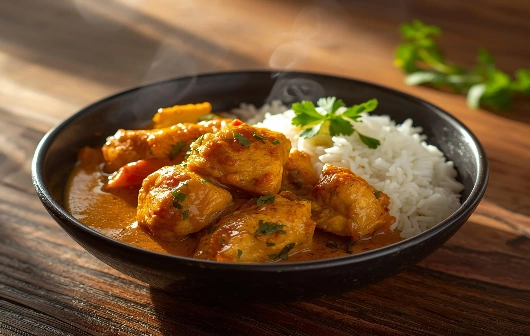
There is something magical about a good chicken curry. The warm spices, the creamy sauce, the tender chicken — it all comes together in one glorious pot. This curry chicken recipe Jamie Oliver style is one of those meals that feels fancy but is honestly so easy to make at home.
Whether you are a total beginner or just looking for a reliable weeknight dinner, this recipe has you covered. It uses simple ingredients, comes together in under an hour, and tastes like something straight from a restaurant kitchen. Let us get into it.
Why This Curry Chicken Recipe Jamie Oliver Is So Popular
Jamie Oliver’s Approach to Curry
Jamie Oliver has always had a gift for making bold, complex flavors feel approachable. His take on curry is no different. He does not rely on ready-made curry paste alone. Instead, he builds flavor from scratch, layering spices in a way that even beginners can follow.
What I love most about his style is the focus on fresh ingredients. Fresh ginger, garlic, tomatoes — these are the building blocks of something truly delicious. His method respects the roots of curry cooking while keeping things accessible for the home cook.
What Makes This Recipe Different
Most curry recipes either cut too many corners or require ingredients you cannot find at a regular grocery store. This Jamie Oliver chicken curry recipe sits right in the sweet spot.
Here is what sets it apart:
- It builds a real spice base, not just a shortcut paste
- It uses coconut milk for a naturally creamy texture
- The technique is simple but the result tastes deeply developed
- It works with whatever chicken you have on hand
- The whole thing takes less than an hour
Key Flavors and Textures
When you make this curry, expect:
- Warm, earthy depth from cumin and coriander
- A gentle heat from fresh chili or chili flakes
- A creamy, slightly sweet finish from coconut milk
- Tender, juicy chicken that soaks up every drop of sauce
- A fragrant kick from fresh ginger and garlic
The balance of these elements is what makes a great curry. Too much heat and it overwhelms. Too much sweetness and it feels flat. This recipe hits all the right notes.
Ingredients You Need
Before we start cooking, let us talk about what goes into this dish. The good news is that most of these items are easy to find.
Chicken Options
You have a few great options here:
- Bone-in thighs and drumsticks — These give the most flavor and stay juicy during simmering. This is the traditional choice.
- Boneless chicken thighs — Easier to eat, still packed with flavor. Great for a weeknight meal.
- Chicken breasts — Leaner option, works well but needs careful cooking to stay moist.
Thighs are genuinely the best choice for curry. They hold up to longer cooking and absorb the sauce beautifully.
Essential Curry Spices
These are the spices that build the backbone of your curry:
- 1 teaspoon ground cumin
- 1 teaspoon ground coriander
- 1 teaspoon turmeric
- 1 teaspoon garam masala
- Half teaspoon smoked paprika
- Salt and black pepper to taste
- 1 to 2 fresh red chilies (or half teaspoon chili flakes)
Do not skip the turmeric. It gives the curry that warm golden color and adds a subtle earthiness you cannot replicate.
Coconut Milk and Aromatics
For the sauce and flavor base, you will need:
- 1 can (400ml) full-fat coconut milk
- 1 can (400g) chopped tomatoes
- 4 cloves garlic, minced
- 1 thumb-sized piece of fresh ginger, grated
- 2 medium onions, finely diced
- 2 tablespoons vegetable oil or olive oil
- A small bunch of fresh cilantro (coriander leaves) for serving
- Juice of half a lime
Full-fat coconut milk is the way to go. The light version is too thin and does not give you that luscious, creamy curry sauce you are after.
You might like:
- Chipotle Chicken Recipe Copy That Tastes Better Than Takeout
- The Best Easy Fried Chicken Recipe Without Flour (Crispy Every Time)
- Moe’s Adobo Chicken Recipe: The Best Copycat You’ll Ever Make at Home
How To Make Curry Chicken Jamie Oliver Style
Now for the fun part. This is a step-by-step walkthrough, so just follow along and you cannot go wrong.
Preparing the Chicken
Start by patting your chicken dry with a paper towel. This helps it brown properly rather than steam in the pan. Cut boneless thighs into large chunks, about 5cm pieces. Season generously with salt, pepper, and half a teaspoon of turmeric.
Heat a tablespoon of oil in a large heavy-bottomed pan or Dutch oven over medium-high heat. Brown the chicken pieces for 2 to 3 minutes per side. You want a golden color, not full cooking. Remove the chicken and set it aside.
Browning the chicken first adds a layer of flavor that makes a big difference in the final dish.
Building the Curry Base
In the same pan, add another tablespoon of oil. Lower the heat to medium. Add the diced onions and a pinch of salt. Cook for 8 to 10 minutes, stirring occasionally, until the onions are soft and golden.
Next, add the garlic and ginger. Stir for 1 to 2 minutes until fragrant. The aroma at this point is incredible.
Now add all your dry spices. Stir them into the onion mixture and let them cook for 1 minute. This step is called blooming your spices, and it is absolutely essential. It wakes up the flavor compounds and prevents that raw, dusty spice taste.
Pour in the chopped tomatoes. Stir everything together and let it simmer for 5 minutes until the sauce thickens slightly and the tomatoes break down.
Simmering for Maximum Flavor
Add the browned chicken back to the pan. Pour in the coconut milk and stir to combine. The sauce should look rich and golden.
Bring everything to a gentle simmer. Do not boil aggressively or the coconut milk can split. Cover partially and cook for 25 to 30 minutes, stirring occasionally, until the chicken is cooked through and the sauce has thickened.
Finish with a squeeze of fresh lime juice. Taste and adjust seasoning. Top with fresh cilantro leaves just before serving.
That is it. Your curry chicken recipe Jamie Oliver style is ready.
Jamie Oliver Curry Recipe Tips
I still remember the first time I made a curry from scratch. I cranked the heat too high, the coconut milk split, and the sauce turned greasy and grainy. It was edible, but just barely. Over time I figured out where I went wrong. These tips will save you from making the same mistakes.
Common Mistakes to Avoid
- Skipping the browning step. Always brown your chicken first. It adds depth and texture.
- Boiling instead of simmering. A gentle simmer keeps the sauce smooth. A rolling boil splits the coconut milk.
- Adding spices too late. Spices need time in oil and heat to fully bloom. Do not rush this step.
- Using light coconut milk. It produces a watery, thin sauce. Always go full-fat.
- Not tasting as you go. Season at every stage, not just at the end.
How to Balance Spice Levels
This recipe has a gentle heat by default. However, you can easily adjust it:
- For a milder curry, remove the seeds from the chilies before adding them
- For more heat, add an extra chili or a pinch of cayenne pepper
- To cool down a curry that is too spicy, stir in a little extra coconut milk or a spoonful of plain yogurt
Always taste before adding more heat. You can always add more, but you cannot take it away.
Getting a Creamy Texture
The secret to a silky, creamy curry sauce comes down to three things:
- Full-fat coconut milk
- A low and steady simmer
- Enough cooking time for the sauce to reduce and thicken
If your sauce looks too thin after 30 minutes, simply remove the lid and cook for another 5 to 10 minutes uncovered. The sauce will concentrate and become richer.
Best Side Dishes To Serve With Curry Chicken
A great curry deserves equally great accompaniments. Here are the classic options and why they work so well.
Basmati Rice
Basmati is the gold standard for curry. Its long grains stay fluffy and separate, and its light nuttiness pairs perfectly with the rich, spiced sauce. Cook it in water seasoned with a pinch of salt and, if you like, a cardamom pod or two for extra fragrance.
Tip: For perfectly fluffy rice, rinse it until the water runs clear before cooking. This removes excess starch and prevents it from going sticky.
Naan Bread
Warm, pillowy naan is the ultimate curry companion. It is perfect for scooping up every last bit of sauce from your bowl. You can make it from scratch, but good store-bought naan warmed in a dry pan for 30 seconds per side is genuinely excellent.
Garlic naan, butter naan, or plain — all of them work beautifully here.
Fresh Cucumber Yogurt Salad
This simple side might be my favorite addition. It offers a cool, refreshing contrast to the warm spice of the curry.
To make it:
- Dice half a cucumber
- Mix with 200g plain yogurt
- Add a pinch of cumin, salt, and a squeeze of lemon
- Stir in fresh mint if you have it
This is essentially a simplified raita, and it balances the heat of the curry perfectly.
Variations Of Jamie Oliver Chicken Curry
Once you have mastered the base recipe, it is easy to mix things up. Here are three crowd-pleasing variations.
Coconut Chicken Curry
This version leans into the coconut even further. Use two cans of coconut milk instead of one and skip the chopped tomatoes entirely. Add a handful of fresh spinach in the last 5 minutes of cooking. The result is a silky, mild, and luxurious curry that is perfect for those who prefer lighter heat.
Yellow Chicken Curry
Increase the turmeric to a full tablespoon and reduce the garam masala. This gives the curry a bright, golden color and a more earthy, floral flavor profile. Swap the coconut milk for half coconut milk and half chicken stock for a lighter body. Finish with fresh lemongrass if you can find it.
Chicken Tikka Masala Version
To make a tikka masala inspired version, marinate the chicken in yogurt, lemon juice, and spices for at least 2 hours before cooking. Then follow the base recipe, but add 2 tablespoons of tomato paste along with the chopped tomatoes. The paste adds a deeper, richer color and a concentrated sweetness that defines the tikka masala style.
Storage And Reheating Guide
One of the best things about curry is that it tastes even better the next day. The spices continue to develop overnight and the sauce thickens beautifully.
Refrigeration Tips
- Let the curry cool completely before storing
- Transfer to an airtight container
- Store in the fridge for up to 3 days
- Always check it smells and looks right before reheating
Freezing Instructions
This curry freezes brilliantly. Here is how to do it properly:
- Cool completely before freezing
- Portion into freezer-safe containers or heavy-duty zip bags
- Label with the date
- Freeze for up to 3 months
- Thaw overnight in the fridge before reheating
Avoid refreezing curry that has already been thawed.
Reheating Without Drying the Chicken
The biggest risk when reheating curry is drying out the chicken. To avoid this:
- Reheat gently on the stovetop over low to medium heat
- Add a splash of water or coconut milk if the sauce has thickened too much
- Stir frequently and do not let it boil
- Microwave works in a pinch but cover the dish and use medium power to heat evenly
The goal is to bring it back to temperature slowly, not blast it with heat.
Frequently Asked Questions
Can I use chicken breasts?
Yes, you absolutely can. Chicken breasts work fine in this recipe, but they require a little extra care. They cook faster than thighs, so reduce the simmering time to around 15 to 20 minutes. Also, cut them into larger chunks to reduce the risk of them drying out. Thighs are still recommended for maximum juiciness and flavor.
Is this curry spicy?
As written, this recipe has a mild to moderate heat level. It is definitely noticeable but not overwhelming. You can easily make it milder by removing the chili seeds or reducing the quantity. To make it hotter, add more fresh chili or a pinch of cayenne. It is one of the most flexible things about this dish.
Can I make it ahead of time?
Absolutely, and in fact you should. This curry chicken recipe Jamie Oliver style actually improves after resting overnight. The flavors meld together and the sauce deepens. Make it the day before, refrigerate it, and simply reheat gently before serving. It is a great option for meal prep or when cooking for guests.
What is the best way to thicken the curry sauce?
If your sauce is too thin, simply remove the lid during the last 10 to 15 minutes of cooking. Let it simmer uncovered and stir occasionally. The excess liquid will evaporate and the sauce will reduce into something thick, glossy, and deeply flavorful. You can also stir in a spoonful of tomato paste to add both body and richness.
Conclusion
This curry chicken recipe Jamie Oliver style proves that incredible home cooking does not need to be complicated. With a handful of spices, one can of coconut milk, and about 45 minutes, you can put something truly spectacular on the table tonight.
Your action plan: gather your ingredients today, follow the steps above, and make this curry for dinner this week — you will not regret it.