If you have never tried a blackened Cajun chicken recipe, you are in for a serious treat. This dish delivers everything you want in one bite — smoky, spicy, crispy on the outside, and perfectly juicy on the inside. Even better, it comes together in under 30 minutes with simple pantry spices.
Cajun chicken has exploded in popularity over the last decade, and for good reason. It fits perfectly into busy weeknights, impresses at dinner parties, and satisfies even the pickiest eaters. Whether you are a total beginner in the kitchen or someone who just wants a go-to weeknight dinner, this recipe has your back.
Let us get into everything you need to know — from the history of blackened cooking to step-by-step instructions and the best side dishes to serve alongside.
What Is Blackened Cajun Chicken?
Before we dive into the recipe, let us talk about what blackened chicken actually means. It is a question a lot of people ask, and the answer is simpler than you might think.
The Origin of Blackened Cooking
Blackening is a cooking technique, not a flavor. It was made famous by Chef Paul Prudhomme in New Orleans during the 1980s. The idea is straightforward: you coat protein in a bold spice blend and cook it in a screaming-hot skillet — usually cast iron — until the spices char into a deeply flavorful, almost blackened crust.
The technique became iconic because it captures everything Louisiana cuisine stands for: big flavors, rustic technique, and unapologetic boldness. Today, it is one of the most recognized methods in Southern American cooking.
Difference Between Cajun and Creole Seasoning
People often confuse Cajun and Creole seasoning, and it is an easy mistake. Here is the short version:
- Cajun seasoning is simpler and more rustic. It leans on black pepper, cayenne, garlic powder, and paprika. Think bold and earthy.
- Creole seasoning is more complex. It includes herbs like thyme, oregano, and basil alongside the spices. Think layered and herbaceous.
For this blackened Cajun chicken recipe, we use a Cajun-style blend. It keeps things punchy and gives you that beautiful dark crust.
Why Blackened Chicken Tastes So Good
The magic comes from a combination of three things:
- The spice blend — paprika brings smokiness, cayenne adds heat, and garlic powder adds depth.
- The high heat — searing at high temperature caramelizes the spices and locks in the juices.
- The butter — cooking in butter helps the crust form and adds richness to every bite.
Together, these elements create a chicken that is smoky, slightly crispy, deeply savory, and irresistibly aromatic.
Ingredients You Need
You do not need anything fancy for this recipe. Most of these ingredients are already in your kitchen.
Best Chicken Cuts for This Recipe
You have a few good options here:
- Chicken breasts — the most popular choice. They cook quickly and have a clean surface for the spice crust to form.
- Chicken thighs — more forgiving because of the extra fat. They stay juicy even if you cook them a minute too long.
- Chicken tenders — great for a quicker version or for kids who prefer smaller pieces.
For this recipe, boneless, skinless chicken breasts work best. Pound them to an even thickness before cooking so they cook at the same rate.
Essential Cajun Spices
Here is everything you need for the spice blend:
- 1 tablespoon smoked paprika
- 1 teaspoon cayenne pepper (adjust for heat preference)
- 1 teaspoon garlic powder
- 1 teaspoon onion powder
- ½ teaspoon dried thyme
- ½ teaspoon dried oregano
- 1 teaspoon black pepper
- 1 teaspoon salt
Mix these together in a small bowl before you start cooking. It takes about two minutes and is absolutely worth making fresh.
Optional Ingredients for Extra Flavor
Want to take it further? These optional additions make a noticeable difference:
- Brown sugar — a pinch balances the heat and helps the crust caramelize even better.
- Smoked chipotle powder — adds a deeper, smokier kick.
- Lemon zest — a tiny amount brightens the whole spice blend.
- Butter with garlic — melt a clove of minced garlic into the butter before cooking for extra depth.
How to Make Blackened Cajun Chicken
Now for the part you came here for. This step-by-step guide makes the process completely foolproof, even if you have never cooked Cajun food before.
Step 1 – Prepare the Chicken
Start by placing your chicken breasts between two sheets of plastic wrap or in a zip-lock bag. Use a meat mallet or rolling pin to pound them to about ¾ inch thickness. Even thickness means even cooking — no raw centers or dry edges.
Pat the chicken completely dry with paper towels. This step is crucial. Moisture on the surface of the chicken will steam instead of sear, and you will lose that gorgeous crust.
Step 2 – Make the Cajun Seasoning
Combine all your spices in a small bowl and stir well. At this point, I always taste the blend and adjust. The first time I made this recipe, I was nervous about the cayenne and went too light — the chicken came out under-seasoned and flat. Now I trust the blend. If you are heat-sensitive, keep the cayenne at ½ teaspoon. Otherwise, stick to the full amount.
Step 3 – Coat the Chicken Properly
Drizzle a small amount of olive oil over both sides of the chicken. Then press the spice blend generously onto each side. Do not sprinkle it from a height — actually press it in with your hands. You want it to stick.
Make sure every part of the surface is coated. The crust only forms where the spices make contact with the hot pan.
Step 4 – Cook in a Cast-Iron Skillet
Heat a cast-iron skillet over high heat for at least 2 minutes before adding anything. The pan needs to be genuinely hot — not warm, not medium-hot. Hot. Add 2 tablespoons of butter and let it melt and just begin to smoke.
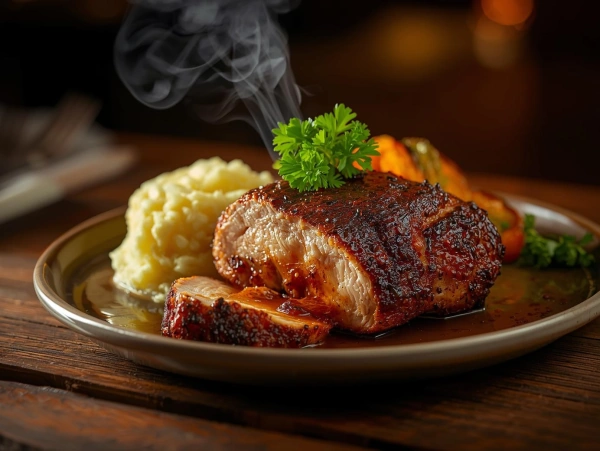
Place the chicken in the skillet and do not touch it. Let it cook for 4–5 minutes per side depending on thickness. You will see the edges turn white and the crust turn deeply dark — almost black. That is exactly what you want.
Once both sides are done, the internal temperature should read 165°F (74°C) on a meat thermometer.
Step 5 – Rest and Serve
Remove the chicken from the pan and let it rest for 5 minutes. This step is non-negotiable. Resting allows the juices to redistribute, so when you cut into the chicken, everything stays inside instead of running out onto the cutting board.
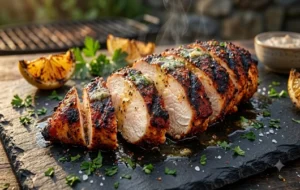
Slice on a bias, squeeze a little fresh lemon juice over the top, and serve immediately.
Recommended reading:
- Green Onion and Chicken Recipes: Easy, Flavorful Meals for Every Night
- The Best Achiote Paste Chicken Recipe You’ll Ever Make (Juicy, Bold, and Easy)
- Easy Pressure Cooker Chicken Recipes: Quick Meals for Busy Weeknights
Tips for Perfect Blackened Chicken
Even a great recipe needs a few tricks to come out perfectly every time.
How to Get the Perfect Crust
- Use a cast-iron skillet — it holds and distributes heat better than any other pan.
- Make sure the pan is very hot before the chicken goes in.
- Do not crowd the pan — cook in batches if needed.
- Do not move the chicken once it hits the pan. Let the crust form undisturbed.
Common Mistakes to Avoid
- Using a cold pan — the chicken will stick and the crust will not form properly.
- Skipping the drying step — wet chicken creates steam and ruins the crust.
- Cooking from the fridge — let the chicken sit at room temperature for 15 minutes before cooking. Cold chicken drops the pan temperature too quickly.
- Not resting the meat — cutting immediately means losing all those flavorful juices.
How to Keep Chicken Juicy
- Do not overcook. Use a meat thermometer — 165°F is the target.
- Pound to even thickness so no part cooks faster than another.
- Use butter, not just oil. Butter adds flavor and helps the chicken stay moist.
- Marinate for 30 minutes beforehand if you have the time. Even a quick olive oil and lemon marinade makes a difference.
Best Side Dishes
The right side dish turns this into a complete, satisfying meal.
Cajun Rice
Cook long-grain white rice with chicken broth instead of water. Add a small amount of diced onion, bell pepper, and celery to the pot while cooking. The result is a flavorful, slightly fragrant rice that pairs perfectly with the bold chicken.
Roasted Vegetables
Toss broccoli, zucchini, or bell peppers in olive oil, salt, and garlic powder. Roast at 425°F for 20 minutes until caramelized. The slight sweetness of roasted vegetables balances the spice beautifully.
Creamy Mashed Potatoes
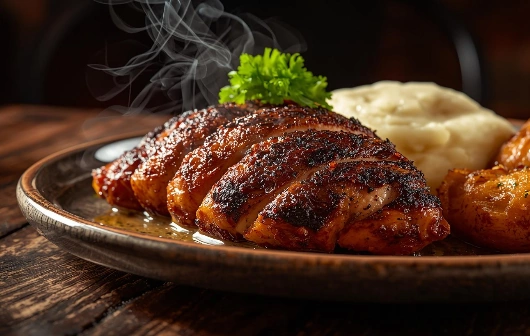
Nothing soaks up the buttery Cajun pan drippings better than smooth, creamy mashed potatoes. Make them rich with butter and warm cream. They turn this meal into pure comfort food.
Fresh Salad Options
A crisp green salad with a light lemon vinaigrette cuts through the richness and adds brightness. Try arugula with shaved parmesan and a simple lemon-olive oil dressing. Alternatively, a coleslaw with apple cider vinegar works wonderfully as a cooling contrast to the heat.
Variations of Blackened Cajun Chicken
Once you master the base recipe, there are so many delicious directions to take it.
Creamy Cajun Chicken
After cooking the chicken, set it aside and use the same pan to build a quick cream sauce. Add garlic, a splash of chicken broth, and heavy cream. Let it reduce for a few minutes, then pour it over the chicken. This is one of the most popular variations for a reason — the cream tames the spice while adding richness.
Blackened Chicken Alfredo
Slice the cooked blackened Cajun chicken and serve it over fettuccine alfredo. The smoky, spicy chicken against the creamy, mild pasta is a combination that never gets old. It is also a crowd-pleaser for people who prefer less heat in every bite.
Air Fryer Cajun Chicken
Prefer less smoke in the kitchen? The air fryer works surprisingly well here. Cook at 400°F for 10–12 minutes, flipping halfway through. You will not get quite the same crust as a cast-iron skillet, but the flavor is still excellent and cleanup is much easier.
Grilled Cajun Chicken
For a summer version, take this recipe outside. Coat the chicken with the spice blend and grill over direct high heat for 5–6 minutes per side. The grill adds a smoky char that complements the Cajun spices perfectly.
Storage and Reheating Tips
Made a big batch? No problem. This chicken stores and reheats well.
How to Store Leftovers
Let the chicken cool completely before storing. Place it in an airtight container and refrigerate for up to 4 days. Store with any pan juices or sauce to help keep it moist.
Best Way to Reheat Without Drying
- Oven method: Place the chicken in a baking dish with a splash of chicken broth. Cover with foil and reheat at 325°F for about 15 minutes.
- Skillet method: Heat a pan over medium heat, add a small knob of butter, and warm the chicken for 2–3 minutes per side.
- Avoid the microwave if possible — it tends to dry out the chicken and make the texture rubbery.
Can You Freeze It?
Yes, absolutely. Once cooled, wrap each piece individually in plastic wrap, then place in a freezer-safe bag. It will keep well for up to 3 months. Thaw overnight in the refrigerator before reheating.
Frequently Asked Questions
Is blackened chicken very spicy?
It depends on how much cayenne you use. The base recipe has a moderate kick — noticeable but not overwhelming. If you are sensitive to heat, simply reduce the cayenne to ¼ teaspoon. If you love spice, add a pinch of red pepper flakes on top of the full cayenne amount.
Can I use chicken thighs instead of breasts?
Yes, and honestly, chicken thighs are more forgiving. Because they have more fat, they stay juicy even if you cook them slightly longer. The cooking time increases to about 6–7 minutes per side for boneless thighs. Bone-in thighs work too — just finish them in the oven at 400°F for 10 additional minutes after searing.
What pan works best for blackening?
A cast-iron skillet is the gold standard. It holds heat extremely well and creates the perfect environment for that deep, dark crust. A stainless steel pan works as a backup. Avoid non-stick pans — they cannot handle the high heat required for proper blackening and can release harmful fumes if overheated.
What makes this blackened Cajun chicken recipe different from regular Cajun chicken?
The key difference is technique. Regular Cajun chicken often refers to any chicken seasoned with Cajun spices. Blackened Cajun chicken specifically uses a very hot skillet — usually cast iron — to char the spice crust into a deeply flavored, almost blackened coating. That high-heat sear creates a texture and flavor intensity that you simply cannot replicate by baking or pan-cooking at moderate temperatures.
Conclusion
This blackened Cajun chicken recipe is bold, easy, and endlessly versatile. Once you try it, it will earn a permanent spot in your regular dinner rotation. Now go heat up that skillet and make it happen tonight.